

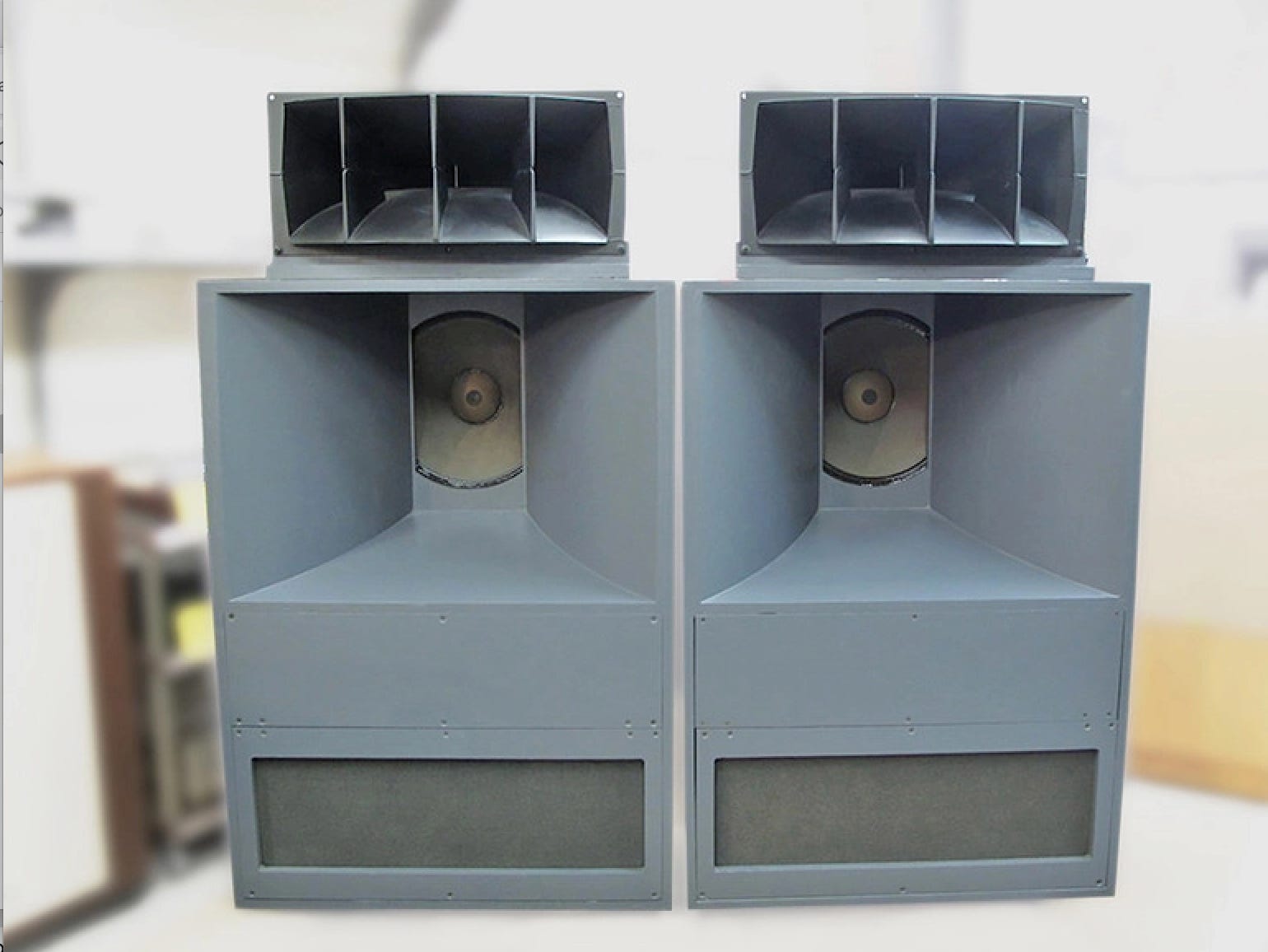
One of the most frequent questions I receive from JazzWax subscribers new to jazz is this one: “I want to learn more about jazz. Can you recommend albums that will get me into the music?” In most cases, they say they’ve heard jazz albums that weren’t quite their thing. Or they say they aren’t quite sure where to start. [Photo above of Altec’s Voice of the Theater speakers]
I was fortunate. For me, jazz took hold in the 1960s through jazzy TV show themes. These included The Many Loves of Dobie Gillis, The Dick Van Dyke Show, I Dream of Jeanie, Batman, The Patti Duke Show, Bewitched, Leave It to Beaver, Mannix and Mission Impossible. The music was jazzy and had swing and sass.
My first exposure to live jazz came in 7th grade, while in junior high school in Manhattan, in 1968. The Billy Taylor Trio came to perform. I was sitting in the third row of assembly, so the music was pretty exciting. Then Billy handed out 45s of the trio’s recording of his soul-jazz hit I Wish I Knew How It Would Feel to Be Free.
TV and Taylor planted a seed, but I didn’t become a jazz fan and LP hound immediately. Themes and Taylor only prepped me for what came next—Young-Holt Unlimited’s Soulful Strut, a 1969 soul-jazz instrumental. The single climbed to No. 3 on the Billboard 100, and I couldn’t get enough of it. In those days, you had to wait by the radio for hours hoping for a favorite song to be played again.
I suppose my jazz thunderclap came in 1970, a year after my family moved an hour north of New York to a rural area of northern Westchester County. My parents were artists, and the public schools in New York were becoming increasingly violent and lousy. I wasn’t learning much more than how to make it to a city bus without getting clobbered.
Stuck in the middle of nowhere at age 13, I became glued to a bedside radio. Dialing up and down the FM band at night, I discovered WRVR-FM in Manhattan. I found a small pad and started jotting down favorite artists and records that DJs such as Ed Beach, Les Davis and Van Jay played.
At 14, with my lawn-mowing and driveway-shoveling cash in hand, I began taking the hour-long train ride into New York to buy the jazz records on my list at superstores like Sam Goody and King Karol.
Recently, I pulled out the first 10 jazz albums I purchased and gave a listen. All are still perfect, from start to finish, and magical. My feeling is if they worked for me back then, they’ll likely work for you now:
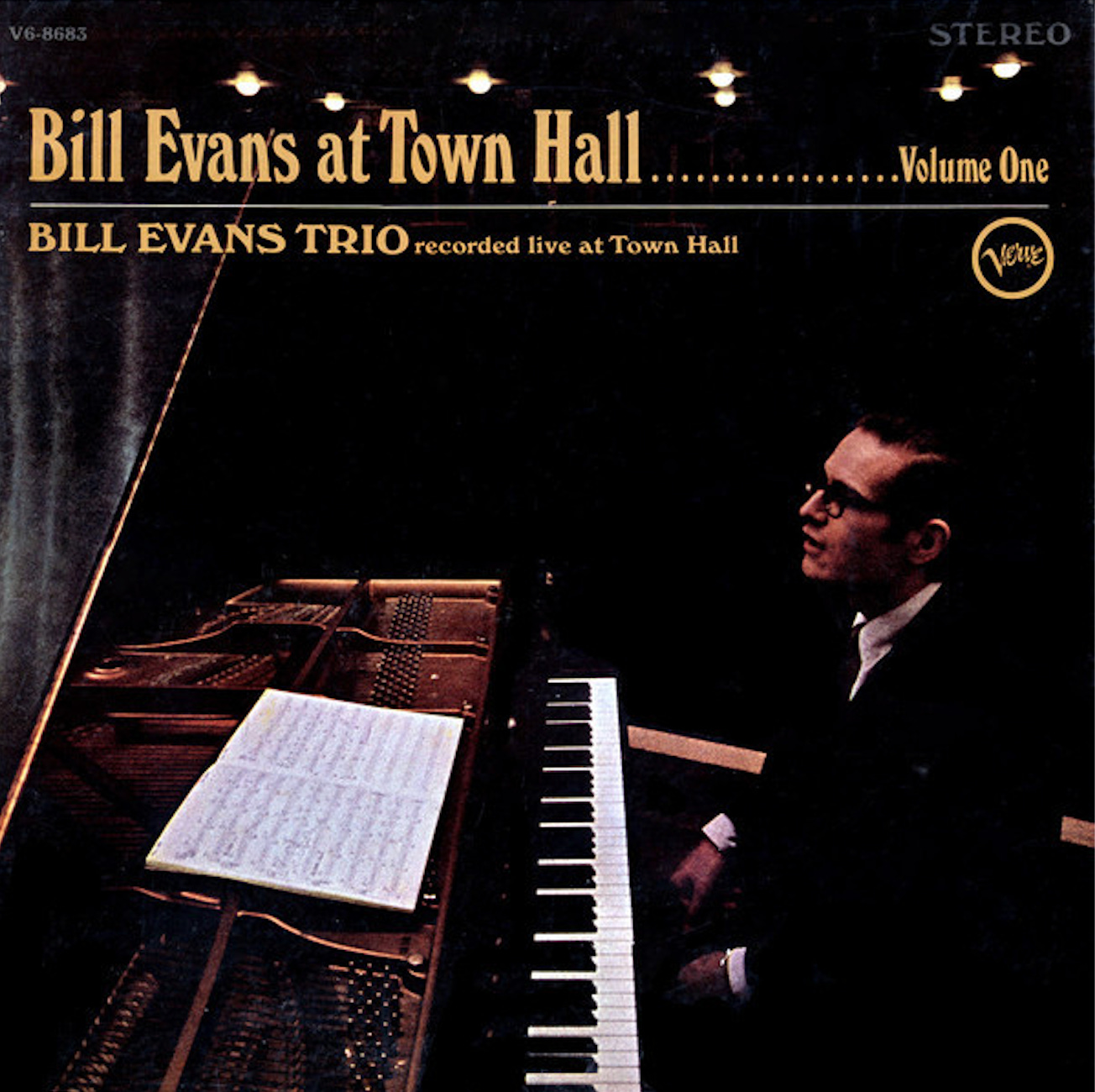
Bill Evans at Town Hall Vol. 1 (1966/Verve). From the opening notes of I Should Care, I couldn’t believe a guy who looked so square on the cover could play this beautifully. The entire album was perfect—from song choices to pacing. Evans was in a blissful zone, hitting notes evenly, without hesitation or haste. Just fluid, as if coming out of a pitcher.
Here’s the first track, I Should Care, with Evans backed by Chuck Israels (b) and Arnie Wise (d)…
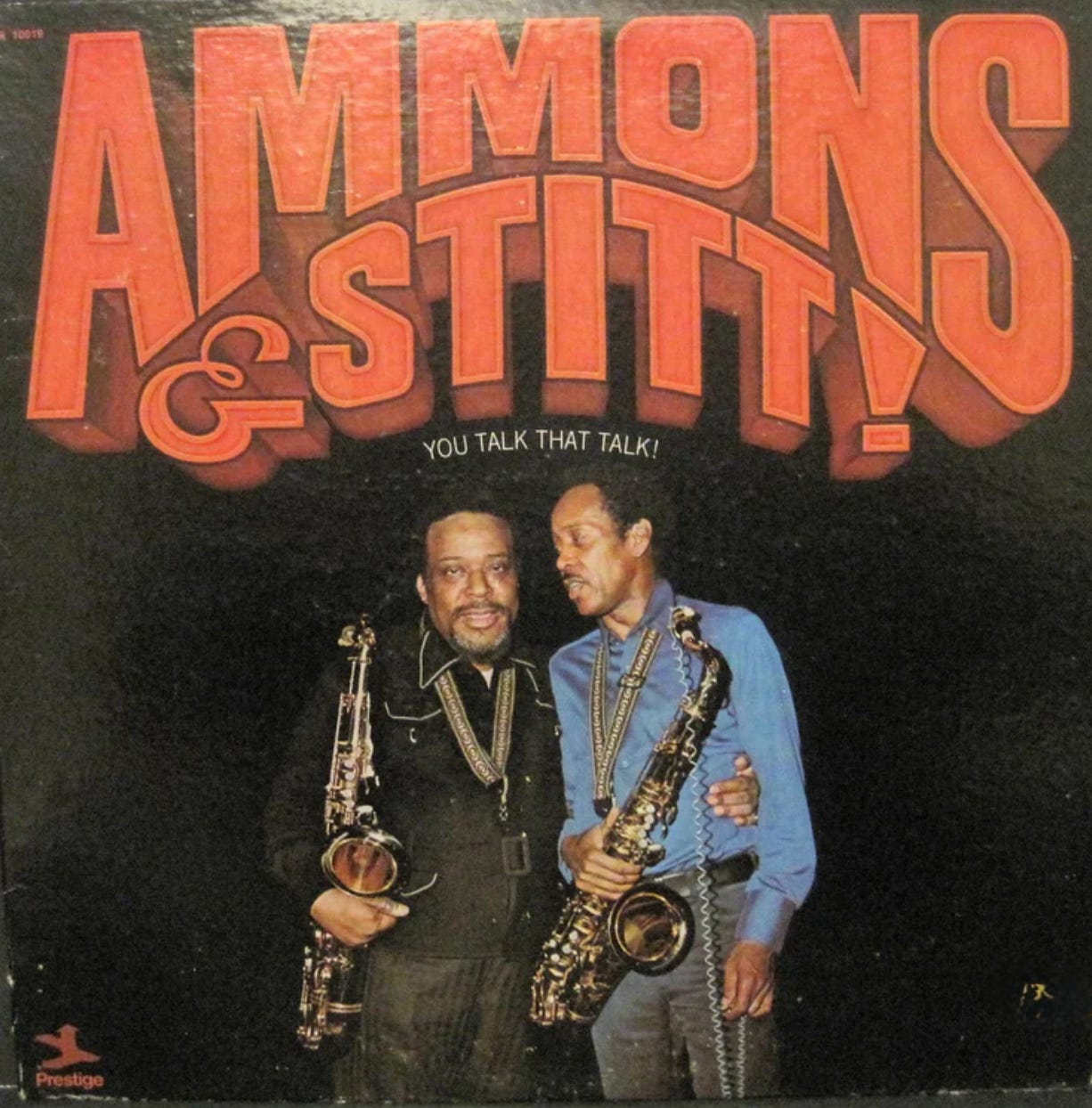
Sonny Stitt and Gene Ammons: You Talk That Talk! (1972/Prestige). I took up the tenor saxophone when I was a freshman in high school, Sadly, I didn’t have the discipline or patience to practice. But it was cool to walk the halls carrying the horn in its case with other guys who did the same. My favorite saxophonists during that period were these two, thanks to this LP.
Here’s the entire album…
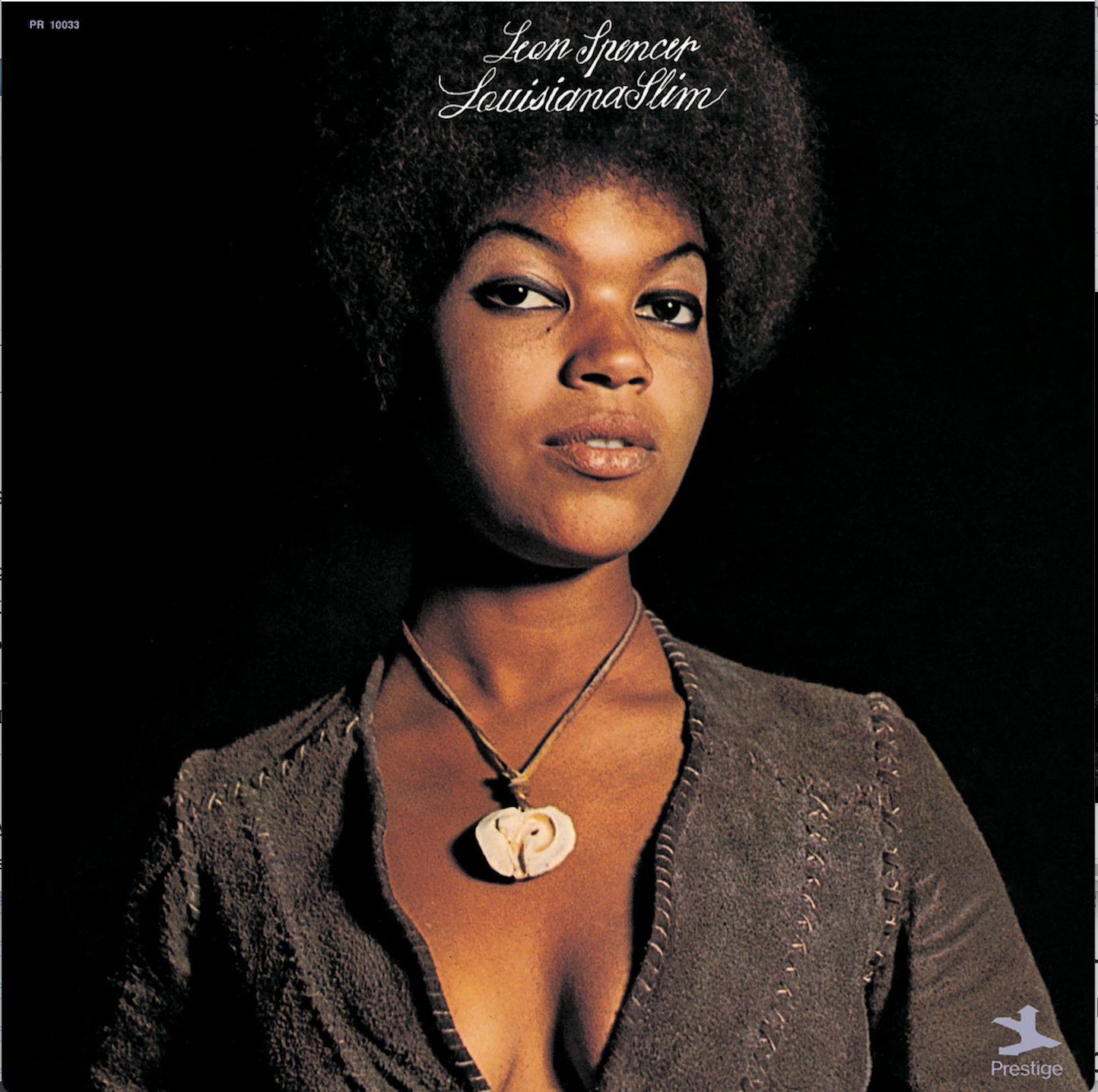
Leon Spencer Jr.: Louisiana Slim (1971/Prestige). I wore out two copies of this one and loved it so much I’d bring it to parents-are-out-tonight parties. Spencer, an organist, had a lyrical, soulful groove. The record featured Prestige’s incredible soul-jazz house band—Leon Spencer (org), Virgil Jones (tp), Grover Washington Jr. (ts,fl), Melvin Sparks (g), Idris Muhammad (d) and Buddy Caldwell (congas).
Here’s the title track…
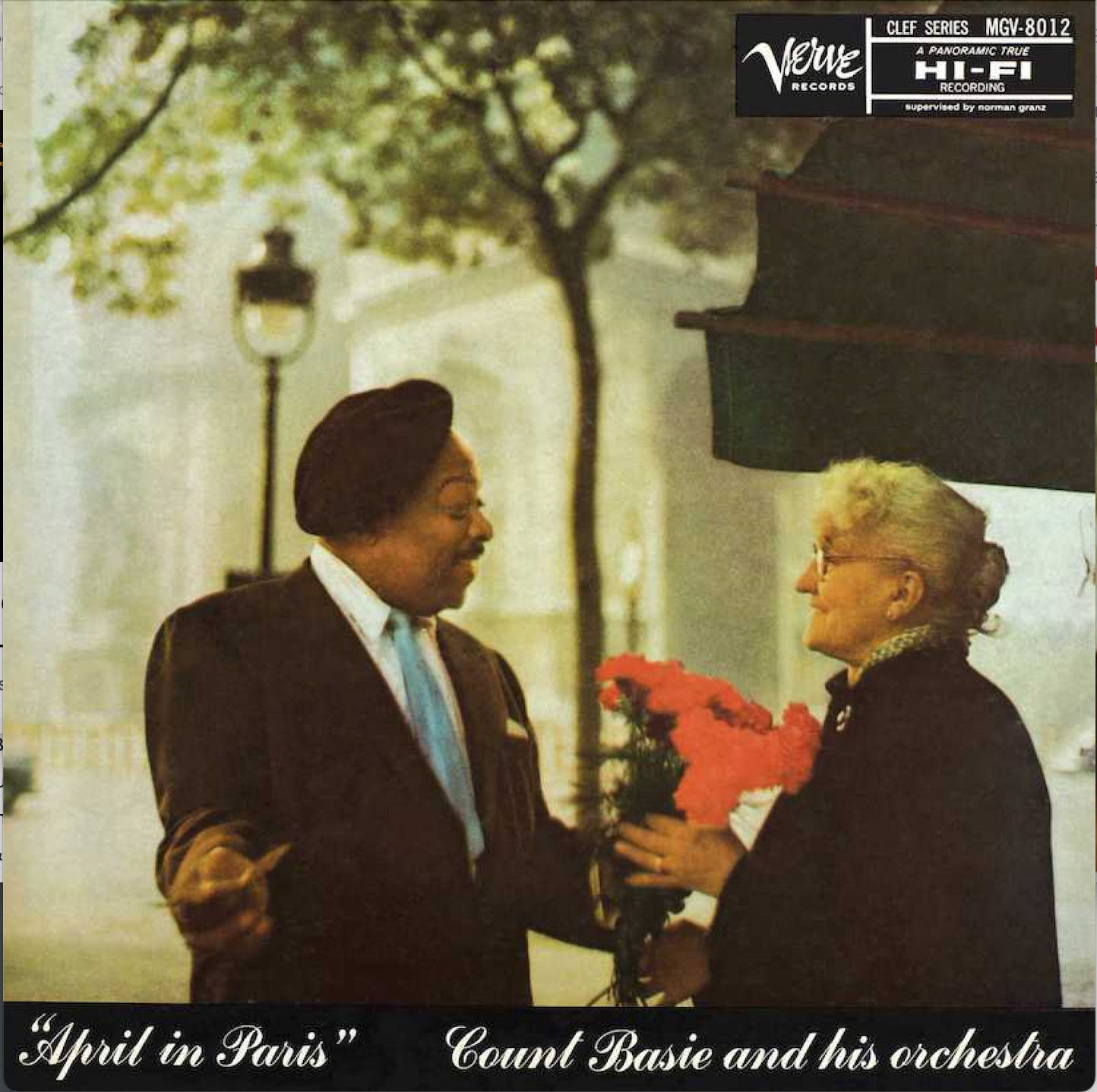
Count Basie: April in Paris (1955/Verve). From the opening blare of the title track, this one just exploded. It was my first exposure to Basie, and I was immediately under his spell. This 1955 album was a jazz hit and set the tone for Count Basie’s 1950s sound. Known informally as the Second Testament Band, the orchestra sails through song after song of varying tempos with minimalist beauty and muscle.
Here’s the full album…
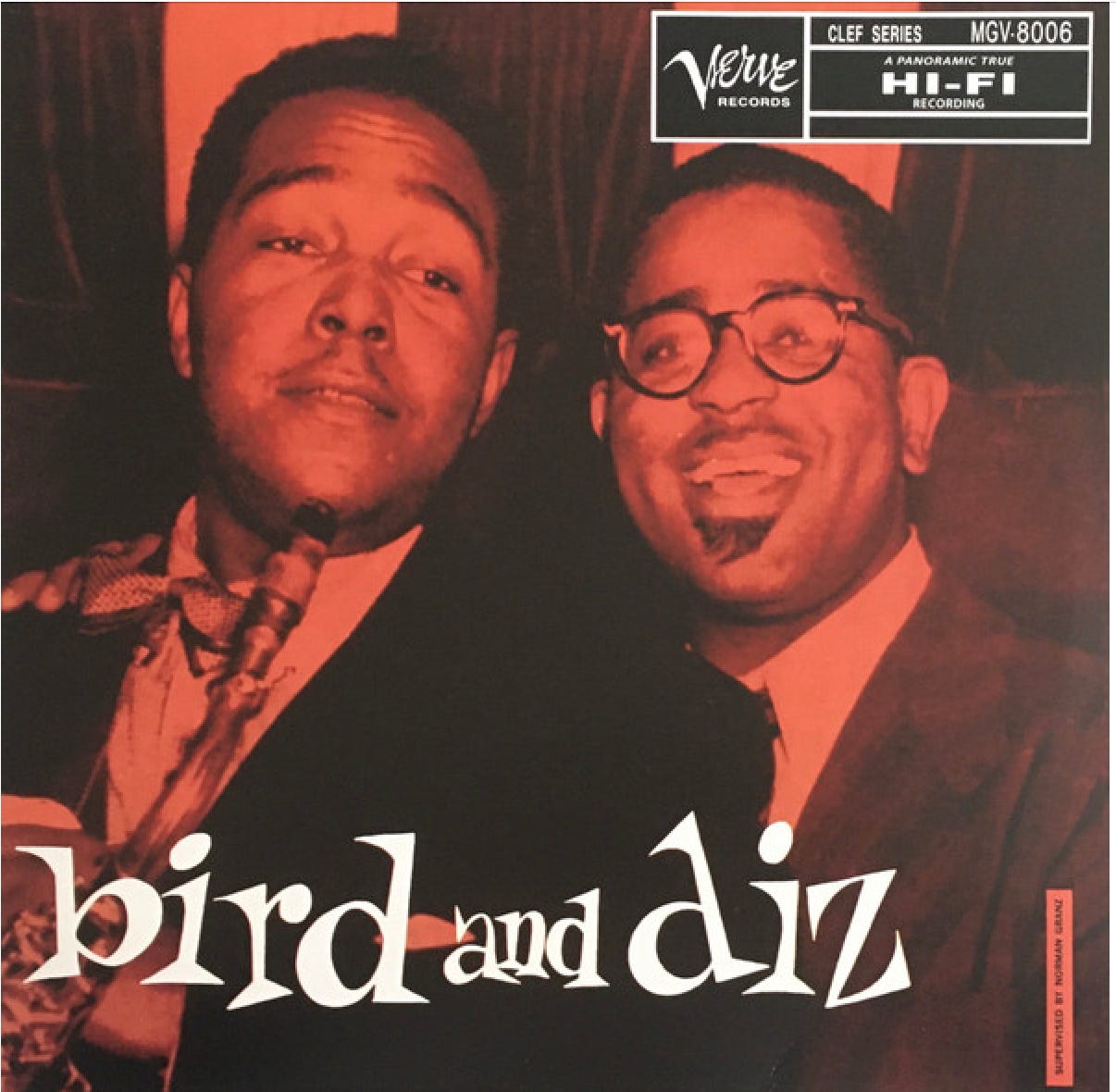
Bird and Diz: The Genius of Charlie Parker (1949-’50/Verve). This was my first exposure to Charlie Parker, who was known informally as “Bird.” Gillespie plays on all tracks except two—Passport and Visa. To hear these two together on a studio session is such a treat and gave me a starting point for bebop.
Here’s An Oscar for Treadwell…
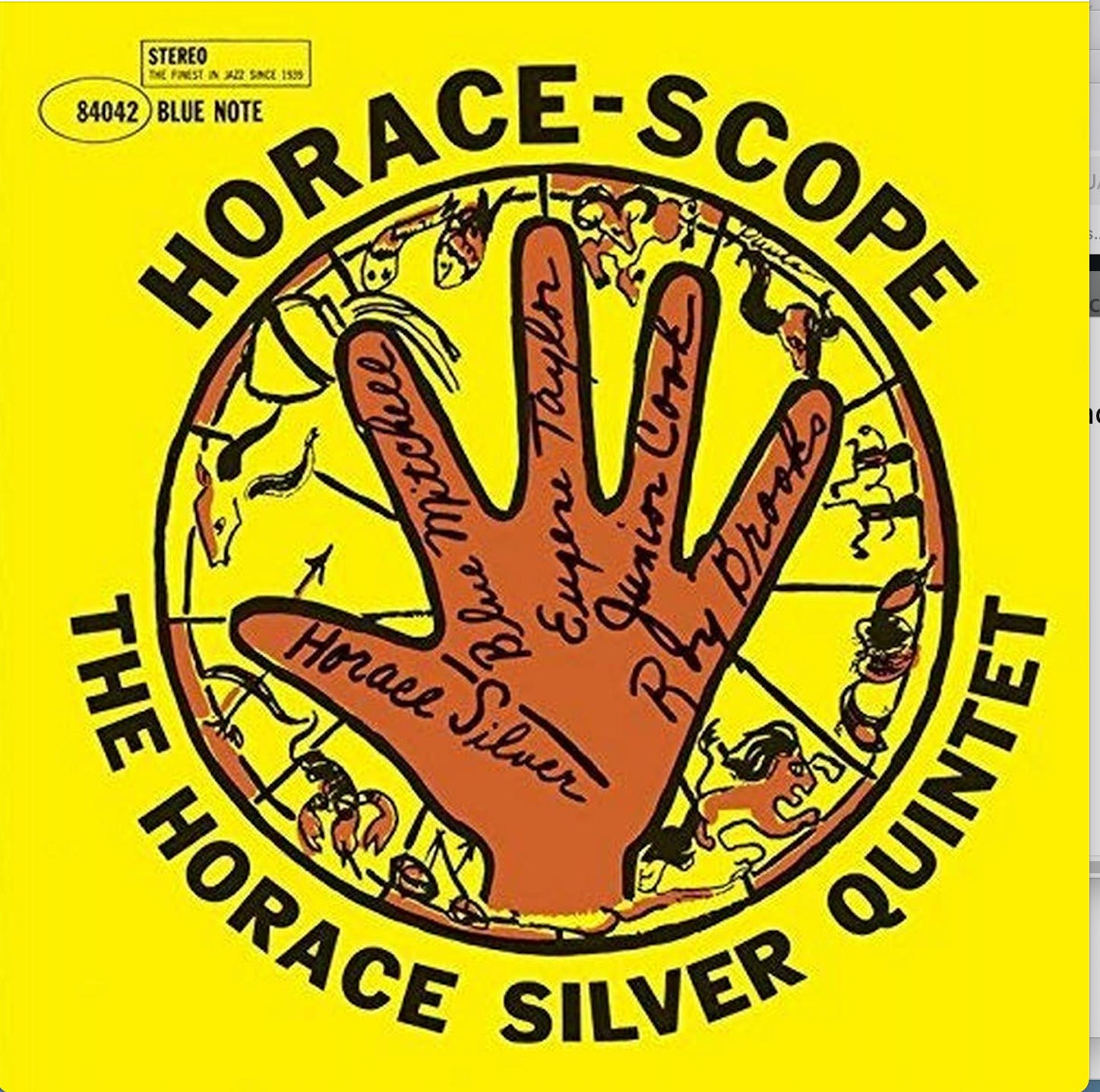
Horace Silver: Horace-scope (1960/Blue Note). This album made me an instant fan of hard bop—the tight, harmonies of the horns, Silver’s percussive, funky piano and his sophisticated, hummable melodies. The quintet on this one features Horace Silver (p), Blue Mitchell (tp), Junior Cook (ts), Gene Taylor (b) and Roy Brooks (d).
Here’s the full album…
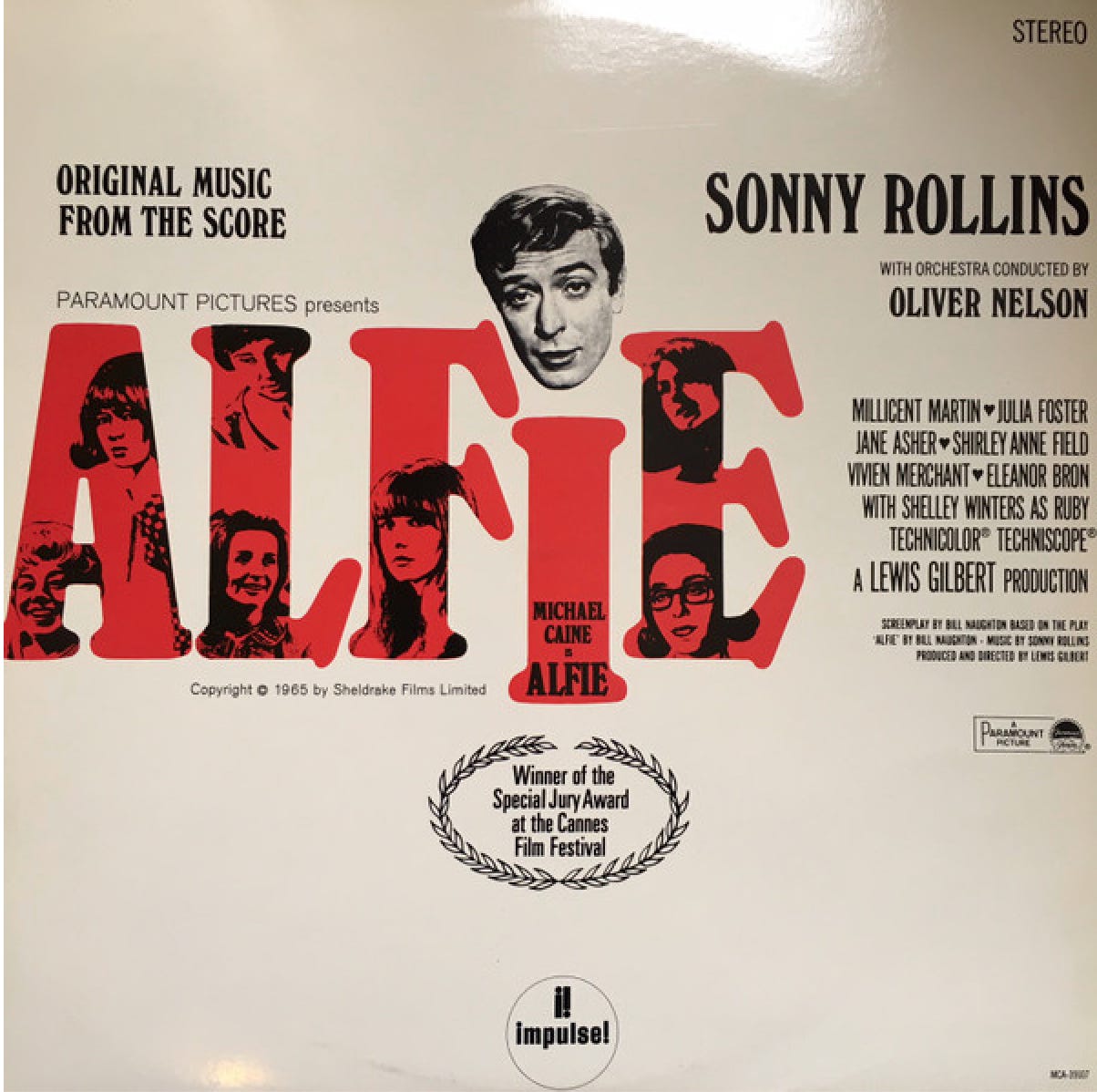
Sonny Rollins: Original Music From the Score for ‘Alfie’ (1965/Impulse). Funky in places, tender in others, the entire album was a hip, knowing score for a cool movie shot in a cool city in 1965—London. Sonny is fascinating on here, and his originals are among his finest works. Also terrific was the Oliver Nelson Orchestra backing him. I fell in love with Sonny’s sound the moment I heard this LP.
Here’s the full album…
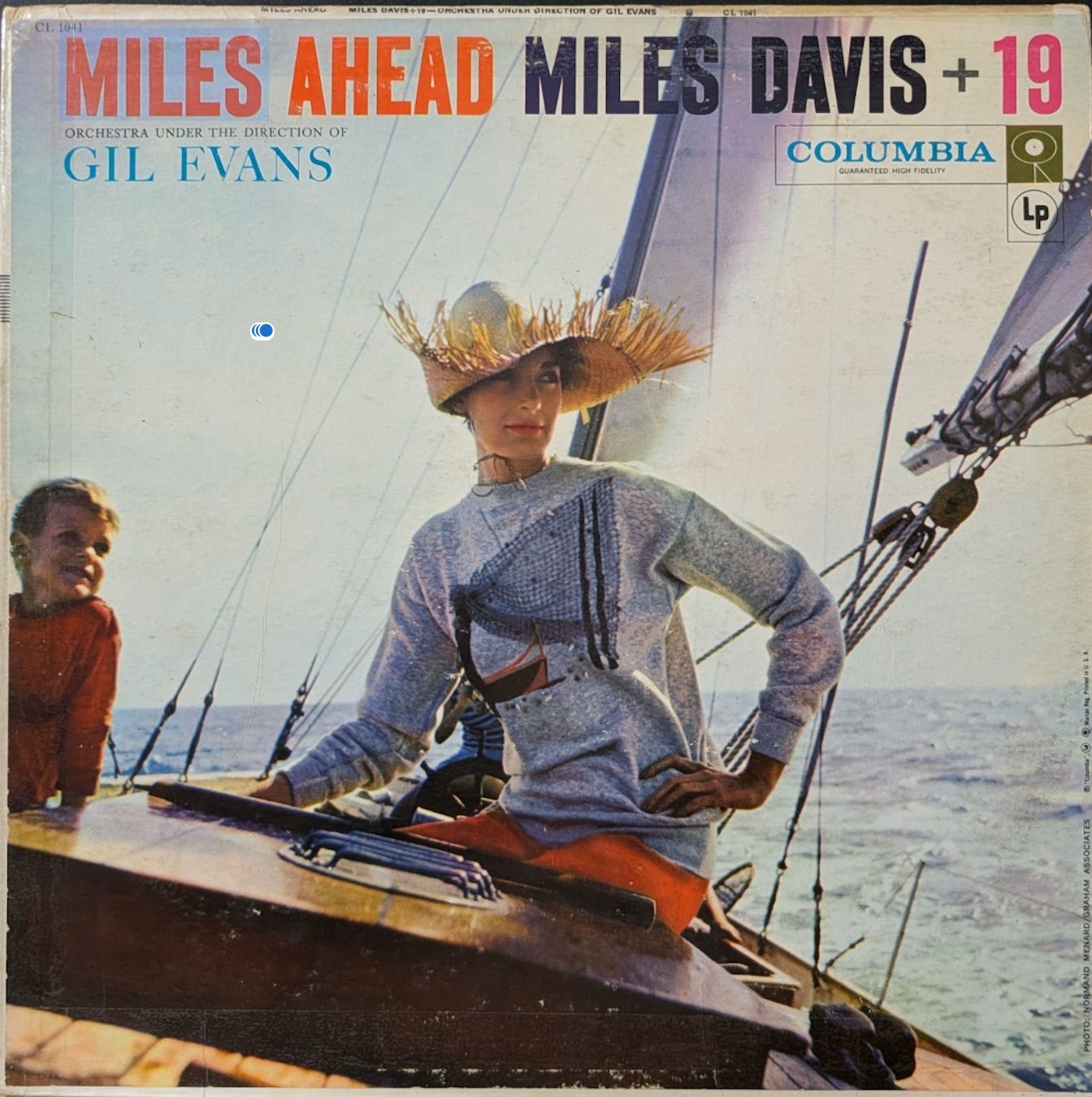
Miles Davis: Miles Ahead + 19 (1957/Columbia). This album introduced me to Miles Davis. The trumpeter here was sensitive, romantic and innocent. The orchestration by Gil Evans provided Davis with a pastoral setting through which he could run and find himself. If there’s one LP that will make you fall in love with jazz, this is it.
Here’s the full album…
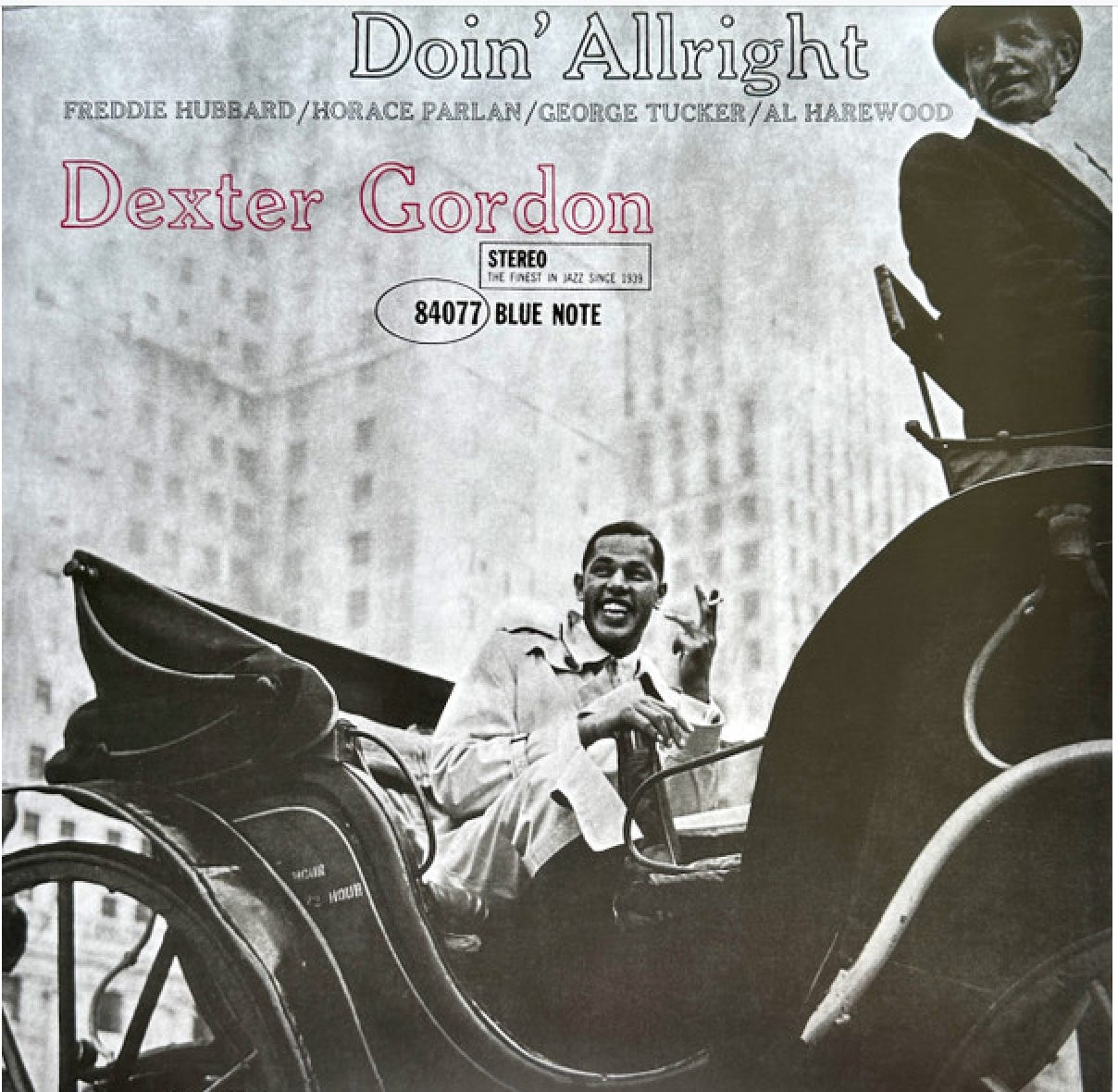
Dexter Gordon: Doin’ Allright (1961/Blue Note). The album features Gordon on the cover in a New York Hansom cab on Central Park South, near the Plaza Hotel. It’s still one of my favorite jazz albums. Gordon’s saxophone is bossy but bluesy and upbeat. And the sidemen are a trip on here: Dexter Gordon (ts), Freddie Hubbard (tp), Horace Parlan (p), George Tucker (b) and Al Harewood (d). The LP also turned me on to Parlan, a marvelous pianist.
Here’s the full album…
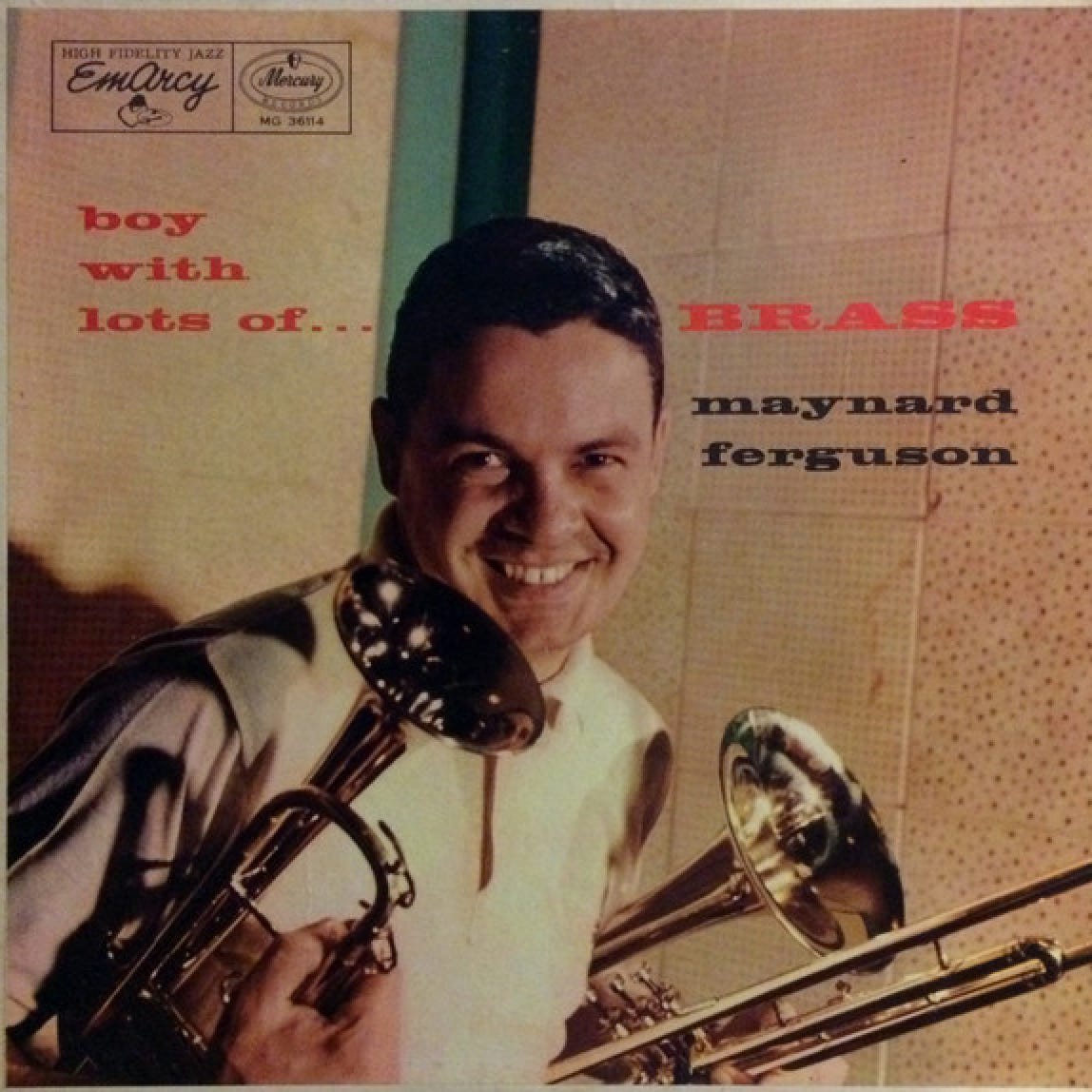
Maynard Ferguson: Boy With Lots of Brass (1957/EmArcy). A friend’s father had this album. He also had a killer stereo system that included a pair of Altec Voice of the Theater speakers. While his father was still at the high school after classes let out (he led the band), my friend and I had the stereo to ourselves. We’d play this one over and over. Maynard’s trumpet was spectacular and the band was comprised of top-shelf New York musicians.
Here’s the entire album (track by track)…
Dear Marc,
I had WHAT FM in Philly with Gene Shay & Sid Mark - (their AM station played 1/2 an hour of Ray Charles in the afternoon right when I got home from school)... Lenny Bruce would drop by the station, as would Bill Cosby... I was in the right place at the right time, as my friend's dad owned Pep's Bar on Broad & South, & I could go there when I was 16 during Saturday matinees to see Mingus, Diz & Cannonball... that could turn you on for life.
I completely forgot about Van Jay on RVR. He used to use the Red Garland Trio's arrangement of "You Better Go Now" as his theme song, which I use whenever i play it. Max Cole was another great DJ on RVR. Ed Beach's show was my fave, and I still have reel-to-reel tapes of some of his shows. Phil Schaap did a phone interview with Ed about the history of RVR as a jazz station, and you can find it at the Phil Schaap archives online at a US college library.(forgot which college.).