

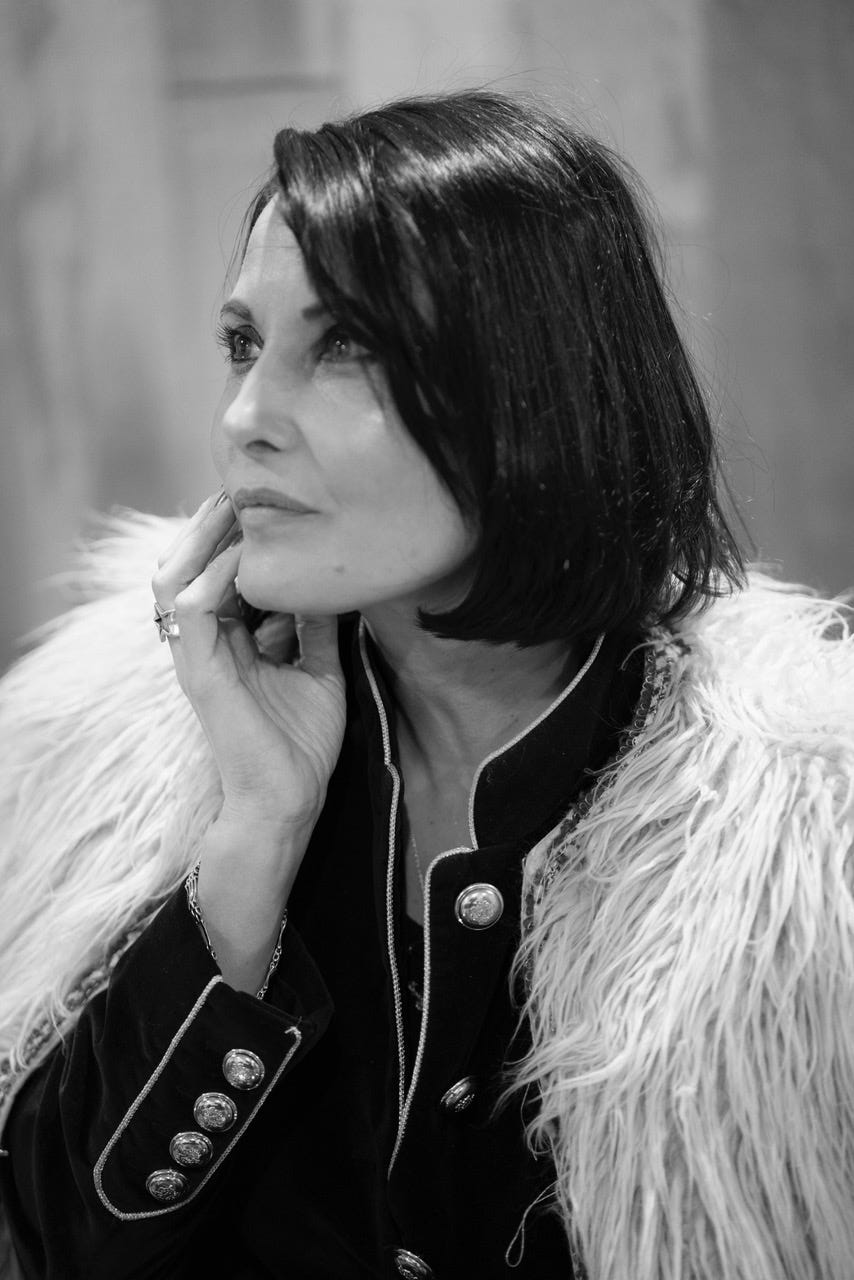
Jo Harrop and I became acquainted over email in 2024 after I reviewed her album The Path of a Tear. Since then we’ve stayed in touch, and last year she shared with me a new album she was trying to get released but was encountering business hurdles. I was floored. The album, Love Now, Pay Later, was a major stylistic break from her prior jazz recordings. This one blended romantic Northern Soul with a Dusty in Memphis approach framed by cool, contemporary arrangements. [Photo above of Jo Harrop by Christine Schwann at Sunset Sound in Los Angeles in 2024]
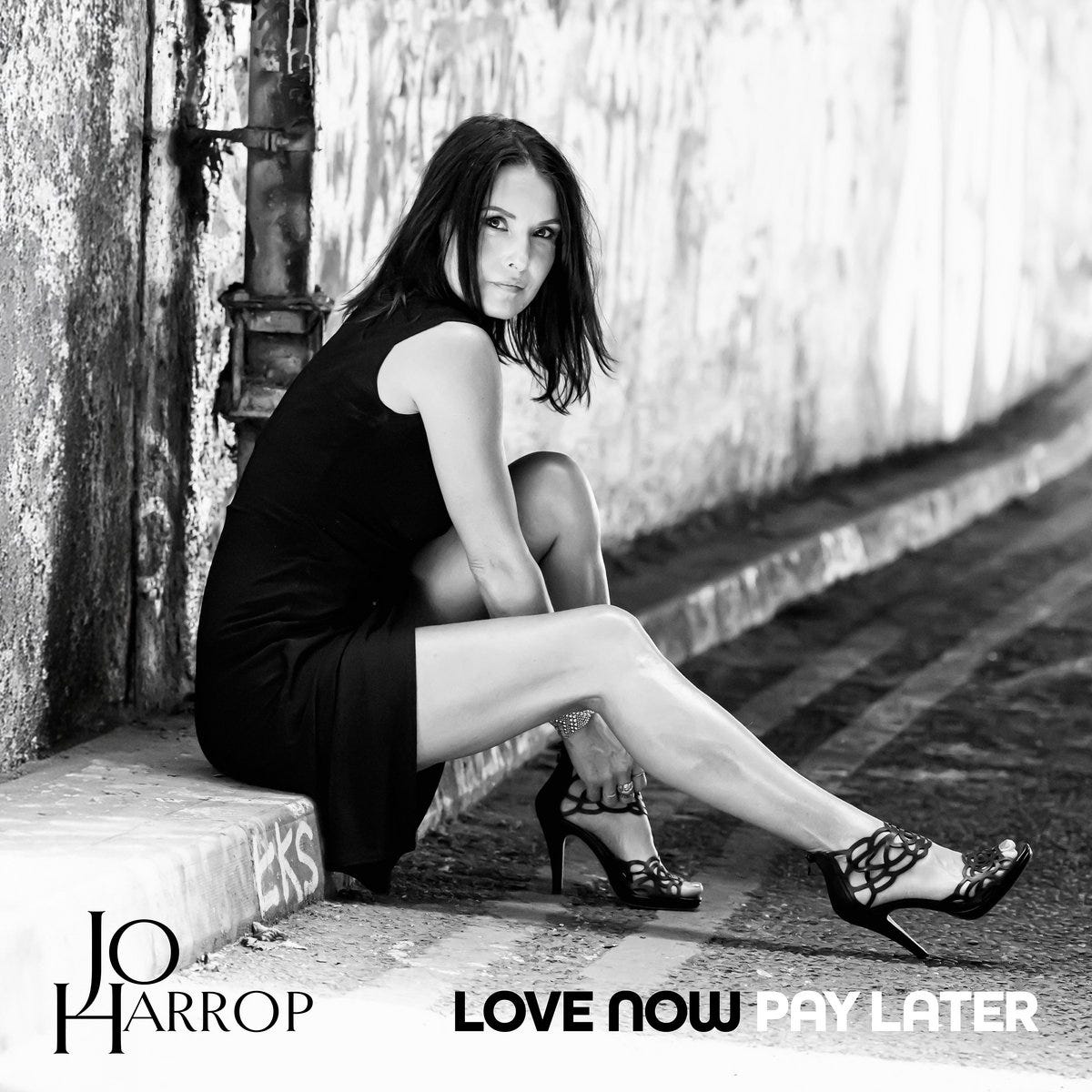
When she emailed me a couple of months ago to say she was finally able to get the album out on Lateralize Records, I figured now was a good time to do an email interview timed to its release so JazzWax readers could get to know her and her new direction. Jo co-wrote eight of the 12 tracks, but before we dive in, here’s the album’s title track, a cover of Clydie King’s 1969 soul single:
You can hear the entire album at Spotify or YouTube here. Listen and buy here.
Here’s my e-conversation with Jo:
JazzWax: Jo, where did you grow up?
Jo Harrop: I was born in the city of Durham, in the northeast corner of England, and grew up in Great Lumley, a tiny village north of the city. Most of my teenage years were spent in Chester-le-street, a semi-rural market town near Newcastle. I remember lots of family walks with the dog, and being surrounded by nature. Our house was modest in size, with a lovely, well-tended garden and a tree that I liked to climb. There were always people over for dinners and weekends. Looking back, those early years felt simple and happy.
JW: What did your parents do for work?
JH: Dad was a technical draftsman and Mum worked as a civil servant in the employment offices. My sister, Tracey, was adopted into our family at age 5 after a turbulent start to her life, and we became the best of friends. She is now an amazing pediatric nurse. I was the first person in our family to pursue a musical life. Despite being a painfully shy child, I was eager to perform on stage in front of crowds, much to my parents’ surprise.
JW: What did you listen to first when you were very young?
JH: I always loved music and sang for as long as I can remember. As a little girl, I spent my time watching musicals on TV, such as The Sound Of Music, The Wizard Of Oz, My Fair Lady, Bugsy Malone and West Side Story. So show music was my introduction to learning and performing songs. I also attended summer camp at a nearby musical youth theater with my best friend.
JW: What was playing on the stereo at home?
JH: My parents often played Ella Fitzgerald, Tony Bennett, Frank Sinatra and Jack Jones records, so I learned to sing jazzy easy-listening songbook songs. I think I drove my mum crazy singing all the time. When I was 12, I asked for a stereo system as a birthday present. My aunts and uncles bought me one and included CDs and tapes along with a random selection of posters. My first albums were by Whitney Houston, George Michael, Sheryl Crow, Madonna and Jon Bon Jovi.
JW: What about LPs?
JH: After my parents separated when I was 13, I claimed all their vinyl and would sit in my room and play the saddest of Tony Bennett’s songs, all the heartbreaking ones. They actually made me feel better, especially the ballads, probably because the songs felt as if someone else had experienced what I did. They gave me a shoulder. Eventually I asked my dad who else I should be listening to.
JW: Who did he recommend?
JH: He loved swing, so he recommended Frank Sinatra, big bands led by Count Basie and Duke Ellington, and drummers such as Gene Krupa and Buddy Rich. He also played me Billie Holiday’s Sophisticated Lady in 1956 and pointed out Ben Webster’s breathy solo on the track. Dad bought me CDs of her recordings, and I wound up so in love with her, the lyrics and the delivery. Her Sophisticated Lady remains my favorite recording of the jazz standard. From there, I visited record stores and spent hours at the listening pods checking out loads of different jazz singers.
JW: What was your first concert?
JH: Seeing Tony Bennett live at Newcastle City Hall, at around age 14 in the 1990s. I saw him another five times over the years. At the first concert that night, I knew that singing was exactly what I wanted to do, but I never believed it was possible.
JW: As an early teen, were you introverted or extroverted?
JH: I was shy and introverted. I had two good friends, and I was definitely the only person I knew my age who was listening to jazz. Or vinyl, for that matter. A first, innocent romantic relationship led me to Prince and the Doors. Next came Nina Simone, Dinah Washington, Sarah Vaughan, Anita O’Day and Julie London. I also had a compilation album that included Aretha Franklin, Etta James, Erma Franklin, Otis Redding, Sam Cooke and other soul greats. My friends were into all-boy and all-girl bands, which I never found appealing.
JW: Did you have a hard time at middle school?
JW: I was bullied quite badly for being quiet. I also was different. Then the school made my life miserable by not allowing to take music as a subject. I was told I wasn’t musical and it was up to me to take private lessons, which my Mum couldn’t afford.
JW: What did she do?
JH: Instead, she brought me to a more affordable dance school above our local laundrette on Saturday mornings. As a result, I didn’t get to learn a musical instrument. School had convinced me I wasn’t good enough, so I just had my voice and my records. I learned every song that caught my ear by listening to it over and over again. Music became a constant in my life and an escape. As for school plays, I was cast for small roles or a chorus-line part. I didn’t take music or voice lessons.
JW: How was high school?
JH: I kept my head down and excelled at English literature, language and art history. I worked hard for my grades and never got in trouble. There was a vicious pack of girls in my year that relentlessly put down kids, me included. I also was beaten up outside of the school gates and fortunately was rescued by a sweet old man.
JW: What was the impact on you?
JH: School’s social situation became so rough that I couldn’t wait to graduate and leave town. I didn’t love school, but I made it to the other side and got good grades. Hey, what doesn’t kill you makes you stronger, right?
JW: Who was the first to realize you had a gift and should develop it?
JH: I’m not sure. People said, “Joanne’s got a nice voice,” but as a kid I was never encouraged to seek a musical career by my parents or anyone else. Because I was obsessed with music, I found myself compelled to sing and write songs, to be a part of the thing that was constantly running through my head. Later, once I started singing, I received support from musicians, producers and my first manager, Sue Carling.
JW: So after high school, what did you do?
JH: I moved to London, when I was 18, in January 2000. I was determined to sing professionally, but I had no plan at all. I moved to Belsize Park in North London with three other friends. The first morning I was there I landed a job at a pub on the corner of our road. That night I found myself pulling pints for TV celebrities who happened to frequent the pub. I was foolish enough to think becoming a singer would be an easy ride. I also took a waitress job in Camden Town, at the Jazz Cafe, which in those days showcased some incredible artists. I was able to see so many of them while working. In hindsight, that was an amazing job. I saw John Legend audition for record labels in the early 2000s before he recorded his 2004 album Get Lifted.
JW: At what point did you shift gears?
JH: I soon began answering stage-magazine ads for singers wanted for all kinds of things. I didn’t own a computer then nor did I have an email address. I went to some awful girl-band auditions and weird sessions for random bits of music in some very dodgy places. Nothing stuck, until five months later.
JW: What happened?
JH: I was sending cassettes of demos to contacts in ads. I had recorded them on a 4-track recorder at a guitar player’s flat, with my phone number written on them. So old school at the time. I can’t even remember the songs, but the originals I wrote with the guitarist were on there and were basic.
JW: Anything come from your hustle?
JH: I received two phone calls one night from a woman named Sue Carling, who I thought was mad for loving the music. I remember that the ad said, “Can you sing in color?” Sue asked me to meet her and two producers at a West London studio. I arrived, and we wound up working together for several years on original music. It was Sue who set me up singing backing vocals for pop stars, as a source of income.
JW: Which stars?
JH: Neil Diamond, Gloria Gaynor, Rod Stewart and Enrique Iglesias. Once I started doing session work, I met musicians who invited me to sing with their working bands and at jam sessions. Some of them were on the jazz circuit, and I’d occasionally sing with them in bars as background. I wasn’t singing to paying audiences yet, but I was learning my craft. I knew the lyrics and melodies to hundreds of songs, but I didn’t have a clue about keys, counting off songs and soloing. I had to learn fast on stage and from watching music videos of jazz musicians.
JW: A big curve?
JH: It has been a very organic and slow process to get to here. I always tried to write song lyrics and little poems in notebooks. That began for me early on. I’m not saying anything was very good then, but I had one break, when the smooth-jazz band Acoustic Alchemy took a song of mine and re-arranged it for me to record with them on Radio Contact, their 16th studio album, in 2003.
JW: How did that come about?
JH: I’d met their frontman when we were both singing backup for Enrique Iglesias on BBC TV’s Top of the Pops. and I played him a song on my demo cassette called Little Laughter. Some people in the U.S. had emailed to say they had played it at their wedding. He wanted the song and me on their record.
JW: What did you think?
JH: That blew me away, so I kept writing. But I didn’t really end up recording any more original songs until I my 2021 album The Heart Wants. I still carry around a notebook to jot down ideas, but I also make notes on my phone and leave myself voice memos. Weeks or months go by, and I’ll have a look and or a listen and then suddenly know what I want to do with them. The song Love Is Like the Wind, off my new album, is like that. It’s a sad story. My guitarist, Jamie McCredie, and I started writing it in around 2021 but it wasn’t finished. We parted company under sad circumstances and didn’t see one another for a few years.
JW: So what happened?
JH: One day I found a voice note about the song on my phone and couldn’t get the melody out of my head. I woke up in the dead of night with pretty much all the lyrics in mind. I wrote them out and said to Paul Edis—a pianist and co-writer—I need to record this as soon as possible. So Paul helped me knock it into shape, and we recorded the song as a demo. Love Is Like the Wind wound up on Love Now, Pay Later. Producer Chris Seefried loved it. Needless to say once I sent it to Jamie, we began working together again. A happy ending.
JW: How do you compose songs?
JH: I love working with a guitarist or pianist, just the two of us in a room. I typically come with lyrics first and we find music that helps tell the story. In some cases, it’s more organic and we start with a music hook that sets the tone for the title and subject. We build from there. All my songs are stories, most of them autobiographical.
JW: When did you feel in command of your composing ability?
JH: I started writing in earnest in 2020, during Covid, when there was all that time and space to stop and think. I haven’t really slowed since then. I lost many people close to me—my Dad and my step-parents and a friend. There was so much loss to reflect on and write about.
JW: Did composing help you cope?
JH: Yes, it was a cathartic way to process things and reach others going through similar life experiences. I always set out to write and record songs that make people feel—the way I felt listening to artists who touched me deeply. They’re not always sad songs. Sometimes they feel cool and make you want to move or are sensual, humorous, romantic or hopeful. Music is a connection of souls. It’s healing and powerful.
JW: You’ve appeared at some impressive places, including London’s Ronnie Scott’s and the Royal Albert Hall?
JH: I’ve had some incredible opportunities—opening for Gregory Porter on his 13-date UK tour that included four nights at the Royal Albert Hall. Performing my own music with a pianist on that stage was an indescribable feeling. The same stage I saw Tony Bennett on three different times. Ronnie Scott’s is a dream for any jazz singer—and I now feel like I can call it home, as I have performed there pretty regularly over the last six years.
JW: Was there a turning point for you and your career?
JH: Ha! Some days I feel I’m still waiting for my career to take off. What I’ve learned is that so much is out of your control and that you have to slow down and enjoy the process. The truth is there’s no endgame, no trophy or ultimate satisfaction at the end of the journey. It is about creating and carving out a successful and long-lasting career, and enjoying the making and doing. Once the music is out there, it isn’t mine anymore. It’s in other people’s hearts. That’s why playing live is so important to me: living in that moment and being in contact with people face to face.
JW: What was the turning point?
JW: I think I truly became an artist in 2018 when I connected with guitarist Jamie McCredie. We had a magical connection, and when we played together live, people really seemed captivated by our sound. We recorded a duo album Weathering the Storm, released in 2020. I don’t think I’ve ever had anyone believe in me the way he did. That little album received praise when Covid struck and the world fell still and found itself listening harder to music. It was an unexpected success.
JW: How so?
JH: Iggy Pop played it first on his BBC Radio 6 Music show and set the ball rolling. That will always be a huge moment in Jamie’s and my musical journey. From there, I gained the confidence to start recording my compositions. To my great surprise, people actually seemed to relate to my songs and would message me from all over the world to say this or that one changed them in some way. Or they said it got them through something they were struggling with, just as music always did for me. That’s the loveliest feeling—to know you’ve moved strangers and maybe even helped them.
JW: Tell me about the new album.
JH: Love Now, Pay Later felt like a collaborative album, working with visionary artist, writer and producer Chris Seefried at Sunset Sound Recording Studio in Los Angeles. It was an incredible experience. Chris had heard my previous recordings and suggested we approach this new album with a modern take. The inspiration was Dusty Springfield’s 1969 album Dusty In Memphis, to bring a Northern Soul flavor to my existing jazz/blues pallette.
JW: What did you think of Sunset Sound?
JH: Working there in Studio 3 gave me enormous confidence to know I was recording where the Doors, Janis Joplin, Led Zeppelin, Tom Petty and Prince made records. I felt I was in the presence of greatness. Fresh off the plane, with just three days to record a new album, with a brand new band and brand new enthusiastic producer was quite a challenge. I was never more fired up to get it done at the highest possible level.
JW: What was Chris Seefried’s input?
JH: He chose a team of remarkable players, who all brought their own unique creativity to the record. Deron Johnson on keyboards, Jonny Flaugher on upright and electric bass, Denny Weston on drums and percussion, and Chris on guitars. We had guest vocals from the incredible Lady Blackbird and background vocals from Chris’s daughter, Ava, who performs as Tigerlily.
JW: The new album is quite a big break from songbook standards.
JH: Singing in a jazz style came naturally to me, but my love of soul and blues were always an influence along with my love for poetic songwriters such as Leonard Cohen, Tom Waits and Joni Mitchell. I’m drawn to the imperfections, finding the beauty within the darkness, the aching voices, the yearning melodies, the cracks, the deep growls and the real emotion found in old recordings or outtakes. I find so much charm in that—I never want everything too shiny and polished.
JW: What is special about Chris?
JH: When I met him, we seemed to be speaking the same language in the approach and the songs we found and co-wrote. Choosing the right songs was key as was bringing together the right musicians and production—even down to selecting an historic studio—Studio 3 at Sunset Sound.
JW: How did you relate to the musicians?
JH: They were incredibly supportive and so enthusiastic about creating something magical. We worked very hard over those three days, often recording the vocals late at night to get the most raw and emotional sound for the ballads. But, the vision for the record was something that had grown and developed as I got to know Chris. And that didn’t end on the last day of recording. Chris continued to deepen the songs we recorded in the production and mixing process that followed, with so many intricate details. As Jamie Cullum put it on his BBC Radio 2 show, Chris reframed my voice beautifully.
JW: It was recorded in 2024. Why the delay?
JH: Business issues surfaced, which meant it had to be shelved for a couple of years. As you know, it nearly wasn’t released at all, so I’m grateful to be past that point.
JW: What’s your impression of the album title?
JH: Love Now, Pay Later is named for the cover version we did of the 1969 song by Clydie King. To me, the song is about a wild-hearted woman who loves with reckless abandon, regardless of how much trouble she’s getting herself into. I love the retro feel of the track that sets up the tone for the rest of the album. I love the cool drum riff that sets up the backing vocals intro that is so catchy.
JW: The album is a suite of sorts, with one song connected to the narrative of the next, yes?
JH: Exactly. The entire album follows a story, starting with the reckless optimism of Love Now, Pay Later, moving into the consequences and finally a conclusion with the song Old Friend. We hadn’t planned on including our previously released track She Carries On. We felt it didn’t quite belong on the album. Including it was a label decision. It sits almost like a reprise at the end, where the protagonist has made peace with her past and now she carries on.
JW: Today, where do you live?
JH: In London. I mostly gig in the U.K. and Denmark, and I’ve been lucky enough to perform in New York, L.A. and San Francisco. I would love to get out into the world more, especially continental Europe. There are amazing audiences still to find. I have two boys who are now teens. Ellington loves the late Cream bassist Jack Bruce, and he has very cool taste in music and loves vinyl shopping. He has his own turntable and sits and plays bass for hours. He takes himself to London’s Denmark Street to try out all the basses and has so much music history knowledge.
JW: And Ray?
JH: He plays tennis religiously and is so invested in the sport. He’s much more into modern music. But when I played him My Song, by Labi Siffre, he burst into tears. Both of my boys are amazingly understanding about my career and occasionally hear me on the radio. I see a glimmer of pride, or at least I hope they’re proud or inspired. They understand that you can do what you love as a career if you work hard.
JW: Finally, what are your eight favorite jazz vocal albums?
JH: Here they are:
Sarah Vaughan Sings the Mancini Songbook (1965/Mercury)
Sarah Vaughan With Clifford Brown (1955/EmArcy)
Aretha Franklin: Sweet Bitter Love (1982/Columbia compilation)
Tony Bennett/Bill Evans Album (Fantasy/1975)
Together Again (Tony Bennett and Bill Evans) (1977/Improv)
Nina Simone: Here Comes the Sun (1971/RCA)
Beth Hart: Better Than Home (2015/Provogue/Mascot)
Tom Waits: Mule Variations (1999/Anti-)
Bonus: Let’s go inside Sunset Sound in Los Angeles for a video of the making of the album…