

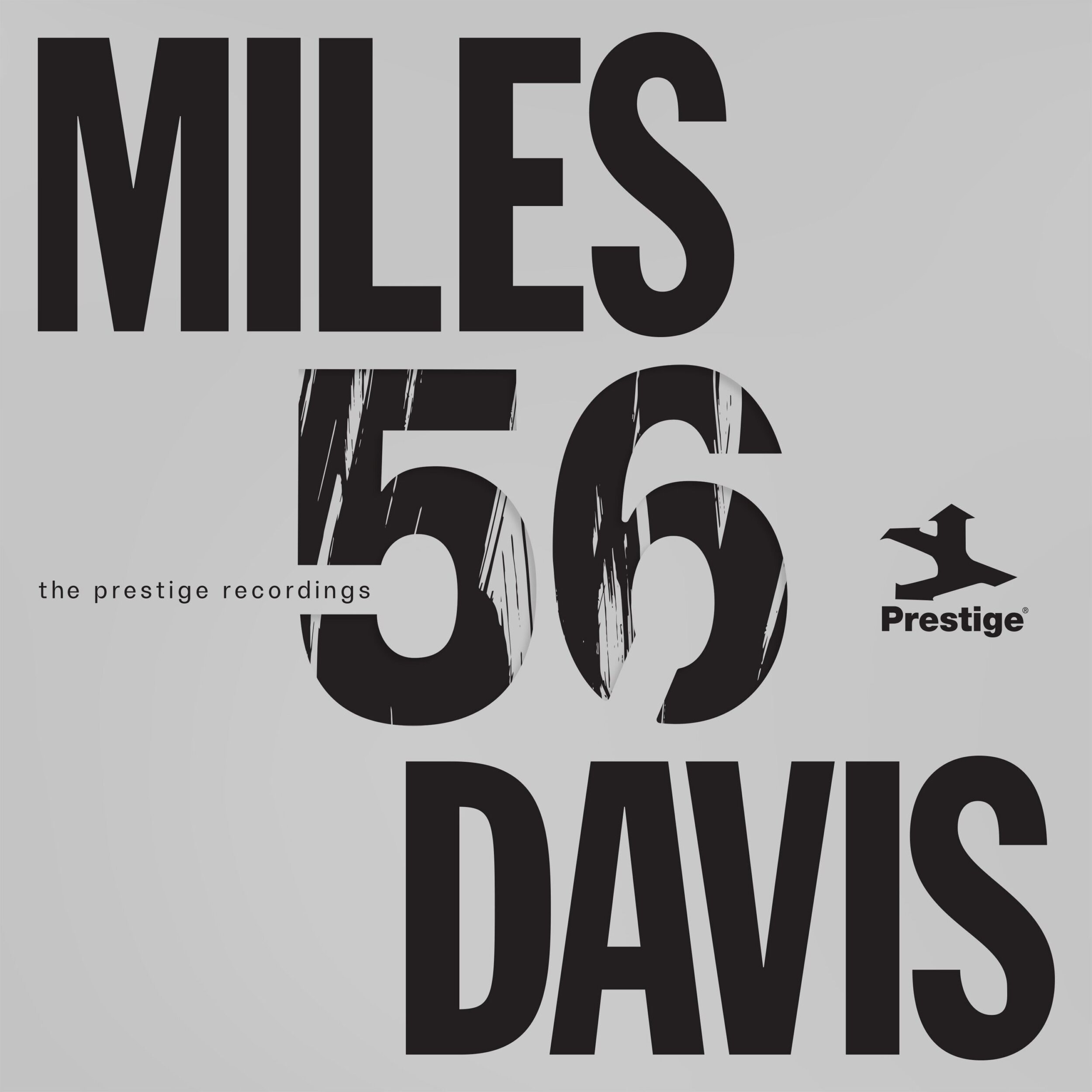
The first thing you notice about the new Miles ‘56: The Prestige Recordings set from Craft Recordings is the sound. It’s warm, vivid and dimensional—as if you were sitting in the control booth on the days the 29 tracks were recorded in 1956.
Why was Davis recording for Prestige in 1956, you may ask, after he had signed a long-term Columbia contract in October 1955? The story behind this mutually beneficial arrangement was one of the shrewdest business deals in post-war jazz history.
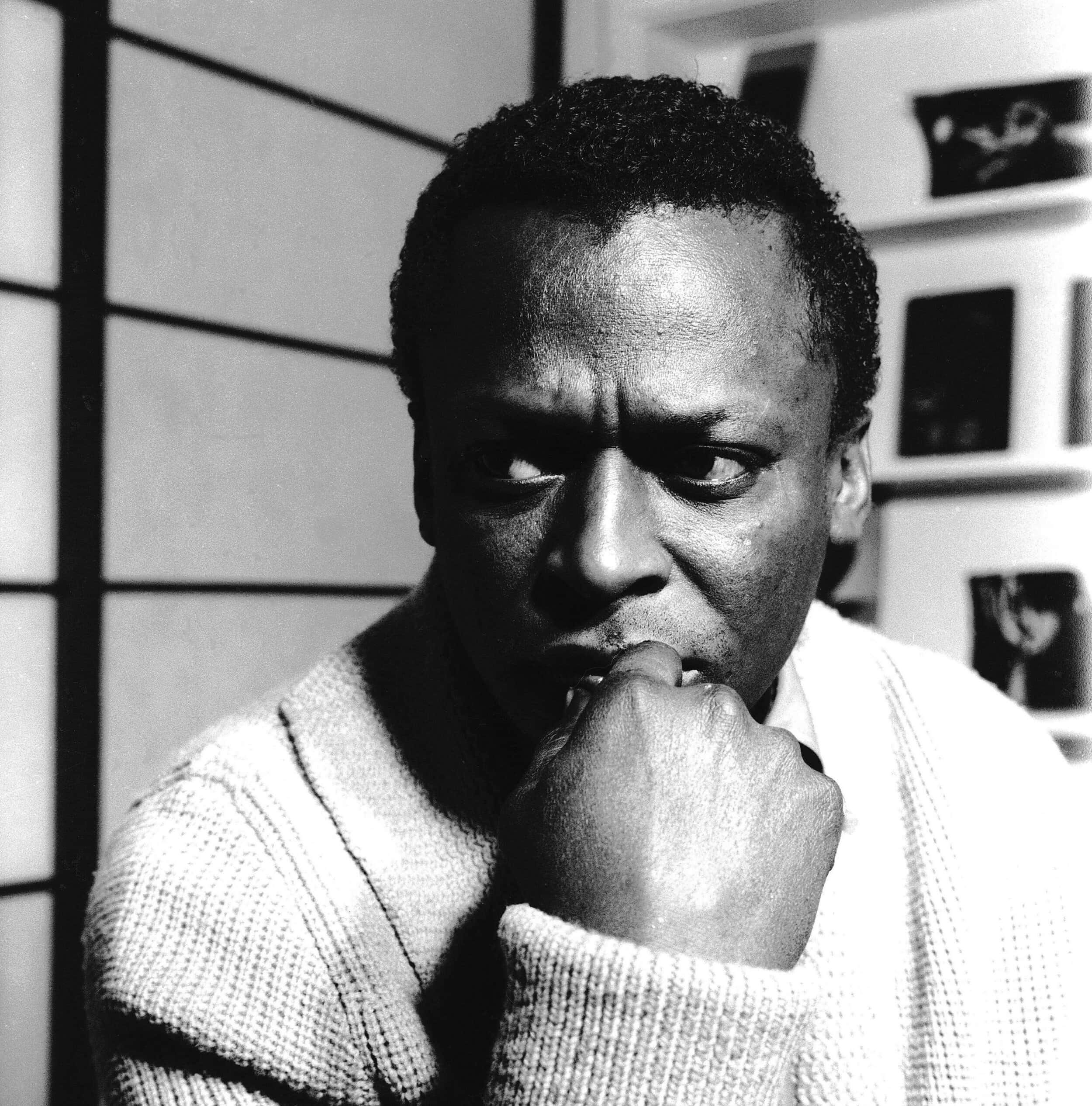
Let’s start at the beginning. When George Avakian, Columbia’s pop and jazz chief, heard Davis perform ‘Round Midnight unannounced at the Newport Jazz Festival in July 1955, he immediately thought the trumpeter would be ideal for the label. The record business was entering the 12-inch LP era and Columbia was launching its national mail-order business. The label needed as much high-end jazz and pop product as possible to fill its pipelines. [Photo above of Miles Davis by Burt Goldblatt courtesy of CTSImages]
But Avakian faced a sizable hurdle. Davis was signed to Prestige and owed the label four albums. Avakian needed a plan that would favor both parties. He soon approached Prestige founder Bob Weinstock. Avakian said if he could sign Davis to Columbia immediately, without waiting until the four albums were recorded and released over the coming years, Weinstock would be handsomely rewarded.
Avakian said he wouldn’t release Davis’s first album for Columbia until 1957, giving Weinstock sufficient time to record all the tracks he needed for the four albums Davis owed Prestige.
Why would Weinstock agree to that? As Avakian told me during a 2010 interview, he informed Weinstock that as Davis’s popularity grew, as it surely would with Columbia’s marketing muscle, Prestige could issue one album a year and reap increasingly higher profits on album sales. Weinstock agreed to the terms.
In May and October 1956, Davis recorded all of the tracks that would wind up on Prestige’s Cookin’ (1957), Relaxin’ (1958), Workin’ (1960) and Steamin’ (1961). What’s more, each album featured “with the Miles Davis Quintet” in the cover title. Weinstock also had Davis record a bunch of tracks that were added to Prestige’s Collectors’ Items (1956) and Miles Davis and the Modern Jazz Giants (1959).
Meanwhile, Avakian recorded Davis on October 26, 1955, June 5 and September 10, 1956 for his first Columbia album, ‘Round About Midnight, which, as he promised, wasn’t released until 1957.
Technically, what you hear on Miles ‘56 are all of the studio tracks Davis recorded for Prestige in 1956. But you actually are hearing so much more—an elated spirit by a group that had become jazz royalty. The quintet was recording for two labels, which meant a greater financial windfall. Columbia would be promoting the group the way it did the Dave Brubeck Quartet, Duke Ellington, Louis Armstrong and others. All Davis had to do was be himself, serving up track after track of heartfelt playing with his signature respect for space and texture.
So while you hear material that was recorded in a single year, you’re really hearing the rise of jazz elegance in the hands of Davis’s first great quintet: Davis (tp), John Coltrane (ts), Red Garland (p), Paul Chambers (b) and Philly Joe Jones (d).
What made the quintet great? Each member brought vitality to a conversational expression. You hear Davis’s fragile tenderness; Coltrane’s earthy bossiness; Garland’s sweet swing with single line improvisation and block chords; Chambers’s fleshy time-keeping; and Jones’s splashes of snare and cymbals.
The result was jazz grace and sophistication at a moment when all of the musicians i the group were buoyed by optimism and a bright future. Not only was the quintet recognized for its regal taste and unassailable excellence but the musicians were also filled with self-confidence that only triumph can provide. Going forward, each member would become a household name.
Miles ‘56: The Prestige Recordings comes in a limited 4-LP box, a 3-CD set and in hi-res digital. All of the audio was transferred from the original analog tapes and restored by Plangent Processes. Remastering was done by Paul Blakemore, and Kevin Gray cut the lacquers for the 180-gram vinyl LPs at Cohearent Audio. Notes are by Ashley Kahn and track notes were by the late Dan Morgenstern.
Subscribers can read my 2010 interview with George Avakian by going here,
You’ll find the LP and CD sets by going here.
Here’s Diane…
Here’s Surrey With the Fringe on Top…
Or listen to a livestream of the entire set…
A very great read, a master's degree in the beginning of Miles Davis, only from Marc here.
Fascinating inside look at the dealings between record producers. Really entertaining stuff, Marc - thank you.