

In 1970, jazz trumpeter Charles Tolliver and pianist Stanley Cowell were fed up. Most major record labels viewed jazz and jazz musicians as a losing proposition for growth and profits, and small ones didn’t pay artists much and had little distribution muscle. So Tolliver and Cowell started their own label.
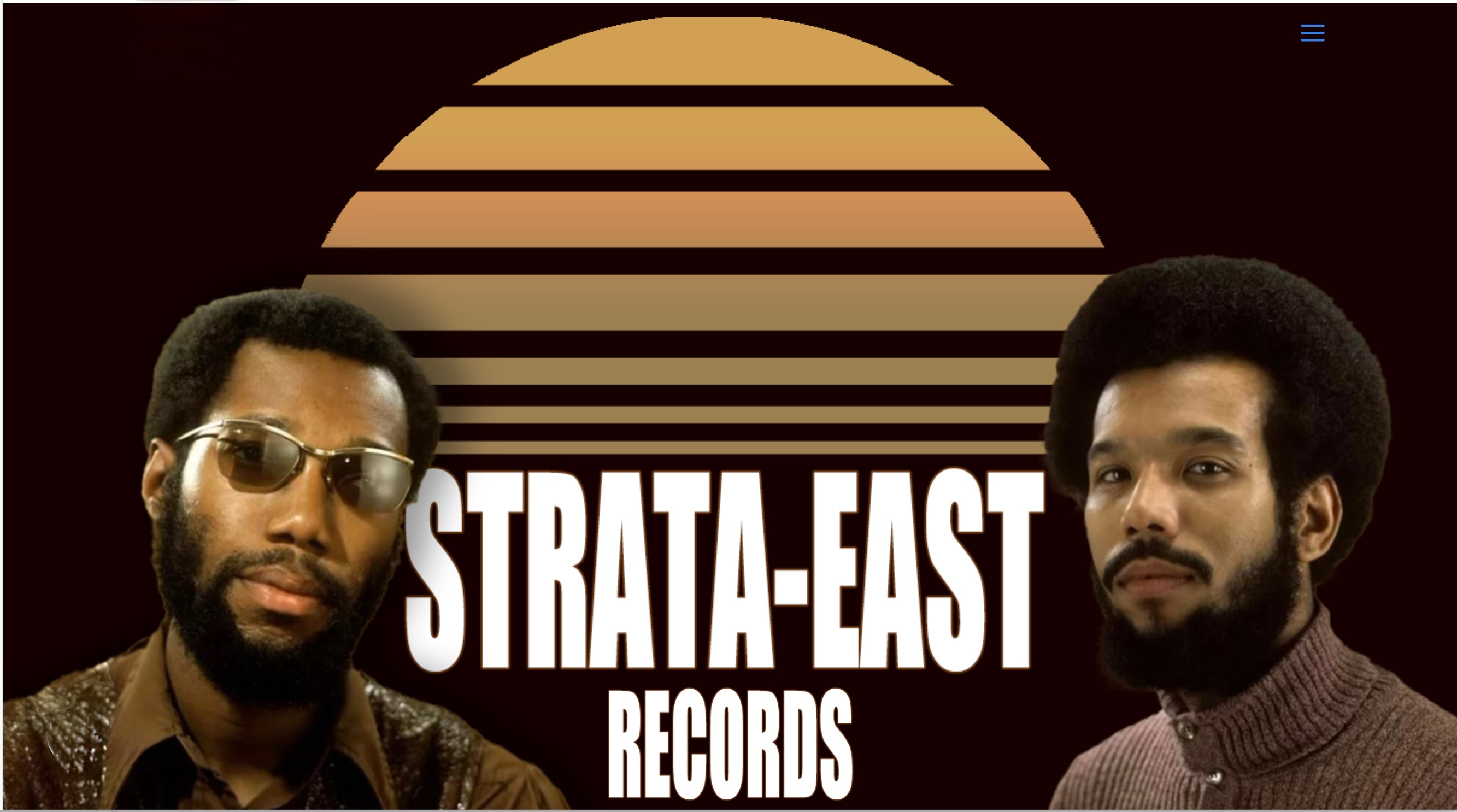
The result was Strata-East, which focused on post-bop, spiritual jazz, socially conscious soul, and afro-jazz. Probably the best-known album released on the label was Gil Scott-Heron’s Winter in America (1974), with Brian Jackson. The album included the hit song The Bottle. [Photo above of trumpeter Charles Tolliver and pianist Stanley Cowell in 1970, courtesy of David Redfern/Redferns/Getty]
After releasing more than 50 albums, Tolliver shut the label’s office in 1980 to focus on licensing reissues. Stanley Cowell died in 2020 from hypovolemic shock, at age 79. Charles Tolliver is still with us at age 83.
If you want to know what the ‘70s sounded like on the acoustic, soulful side of jazz, Strata-East is a great label to explore.
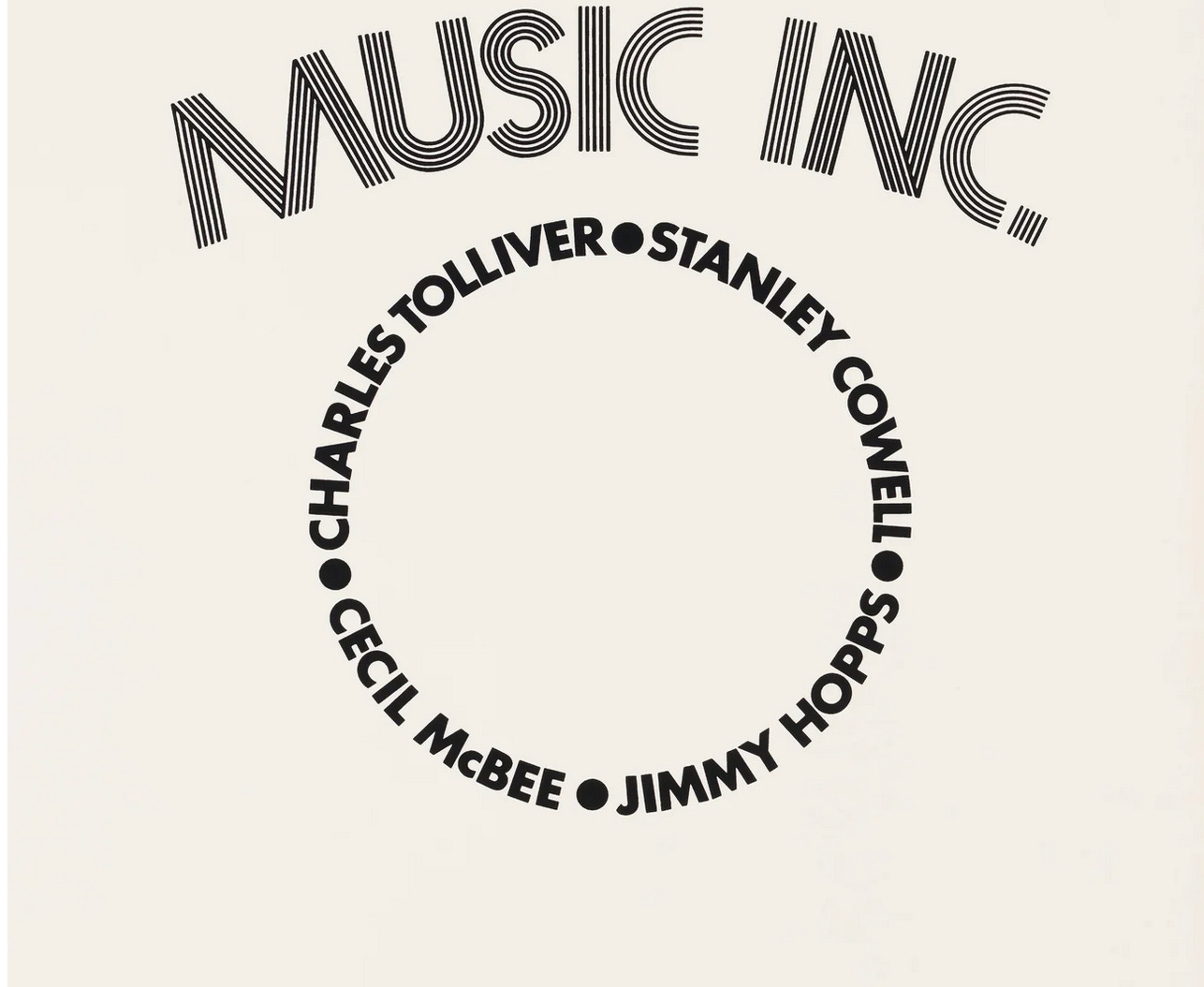
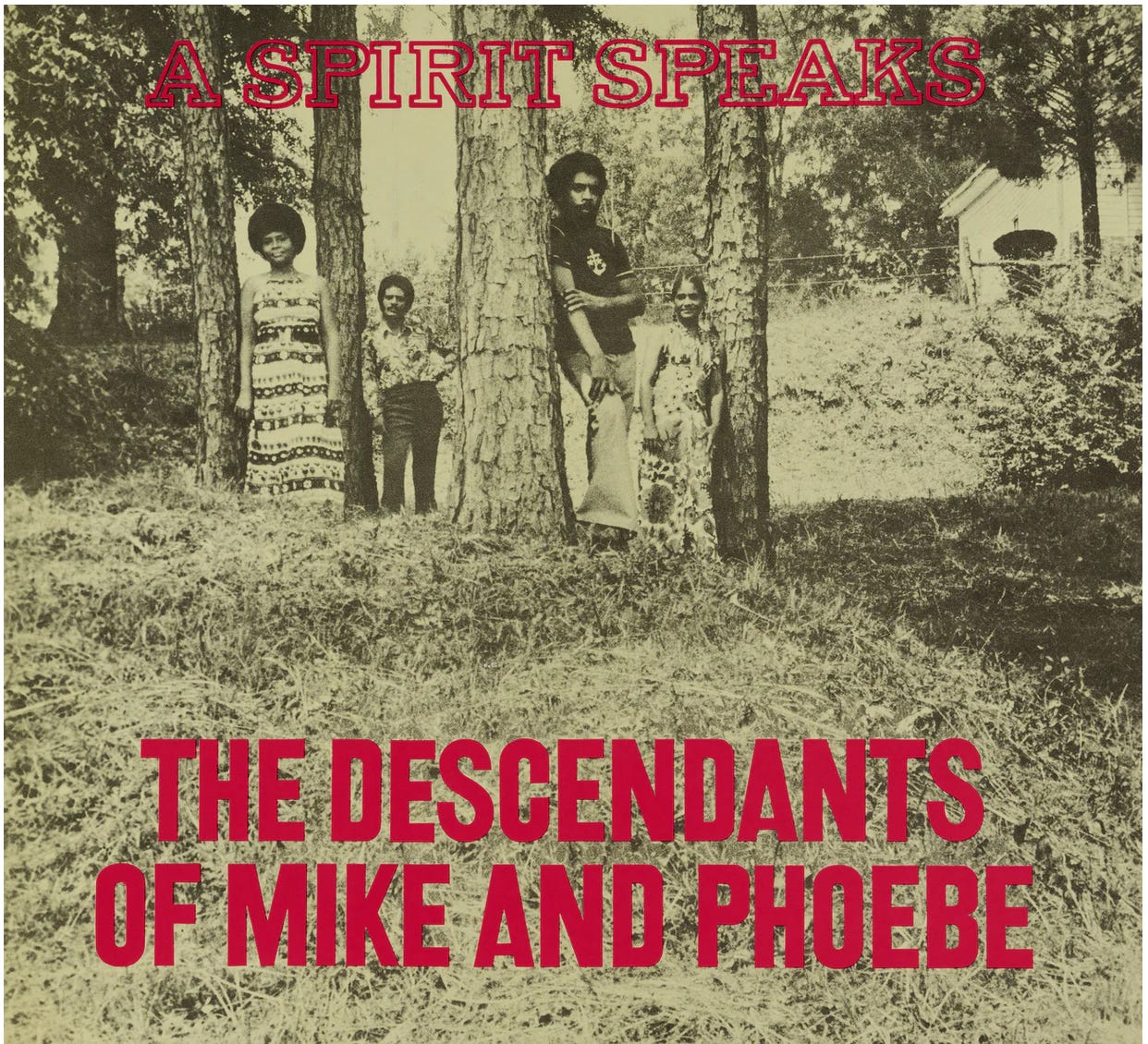
Last January, the Mack Avenue Music Group entered into a long-term licensing deal with the owners of Strata-East Records and is releasing Strata-East’s catalog through high-quality reissues and digital distribution. Among the Strata-East albums reissued most recently are Charles Tolliver and Stanley Cowell’s spectacular Music Inc. (1971); the Heath Brothers’ Marchin’ On!, Featuring Stanley Cowell (1976); Cecil McBee’s Mutima (1974); and The Descendants of Mike and Phoebe: A Spirit Speaks (1974).
For me, there are three types of jazz that take me back to New York in the 1970s: organ groups with horns, found mostly on Prestige Records; the Black Jazz catalog; and releases by Strata-East.
Back then, the New York economy was sliding into a recession and city services were dramatically cut back. Everything seemed run-down, broken or eternally ignored. The South Bronx was burning thanks to insurance-hungry landlords, broken windows were never fixed, the walkways and lampposts in Central Park were in disrepair, and the subways were a visual and criminal mess. It was the New York of The French Connection, Death Wish and Taxi Driver.
Prestige, Black Jazz and Strata-East allowed musicians to express themselves with economic hardship, civil rights, community hope and black musical art as a backdrop. In general, jobs were drying up, drugs and pornography were on the rise and black culture was walking a tightrope between intellectual assertion and sell-out commercialism.
For a listing of Strata-East titles released thus far by Mack Avenue and to listen, go here. To buy, go here.
Before we listen to tracks from the new albums, let’s experience the time period…
What did New Yorkers dislike most?…
And why New York hit the skids…
I worked at The New York Times while in college, from 1976 to 1979, in Times Square. The city was a mash of neon, exploitation and irritation. Now that the scene has been set by the videos, let’s give a listen to tracks from these four newly reissued Strata-East albums:
Here’s Ruthie’s Heart from Charles Tolliver and Stanley Cowell’s Music Inc….
Here’s Maimoun from the Heath Brothers’ Marchin’ On…
Here’s Life Waves from Cecil McBee’s Mutima…
And here’s the Descendants of Mike and Phoebe’s Don’t Be a Stranger from A Spirit Speaks. The album was led by Bill Lee, the bassist, composer-arranger and father of director Spike Lee. This was the group’s only album and featured Lee’s brother and sisters—Cliff Lee, Grace Lee Mims and Consuela Lee Moorhead—all of whom formed a group named in tribute to their enslaved ancestors…
I love so many of the Strata-East albums. Of course, Mutima is a great record, and McBee’s work on the whole label is incredible. The most jaw dropping of the records, to me, were Music Inc.’s Slugs albums, Vol 2, especially. Unbelievable performances!
Interesting. And thanks so much. Since reading the article I have looked on Discogs and there are in fact two compilations. One is a CD from record store day a few years ago, but it only has about 12 tracks. The other is a double vinyl release, which is much more expensive if you can find one.
Anyway, in the meantime I’ll download these. Thank you so much.
Freddie