

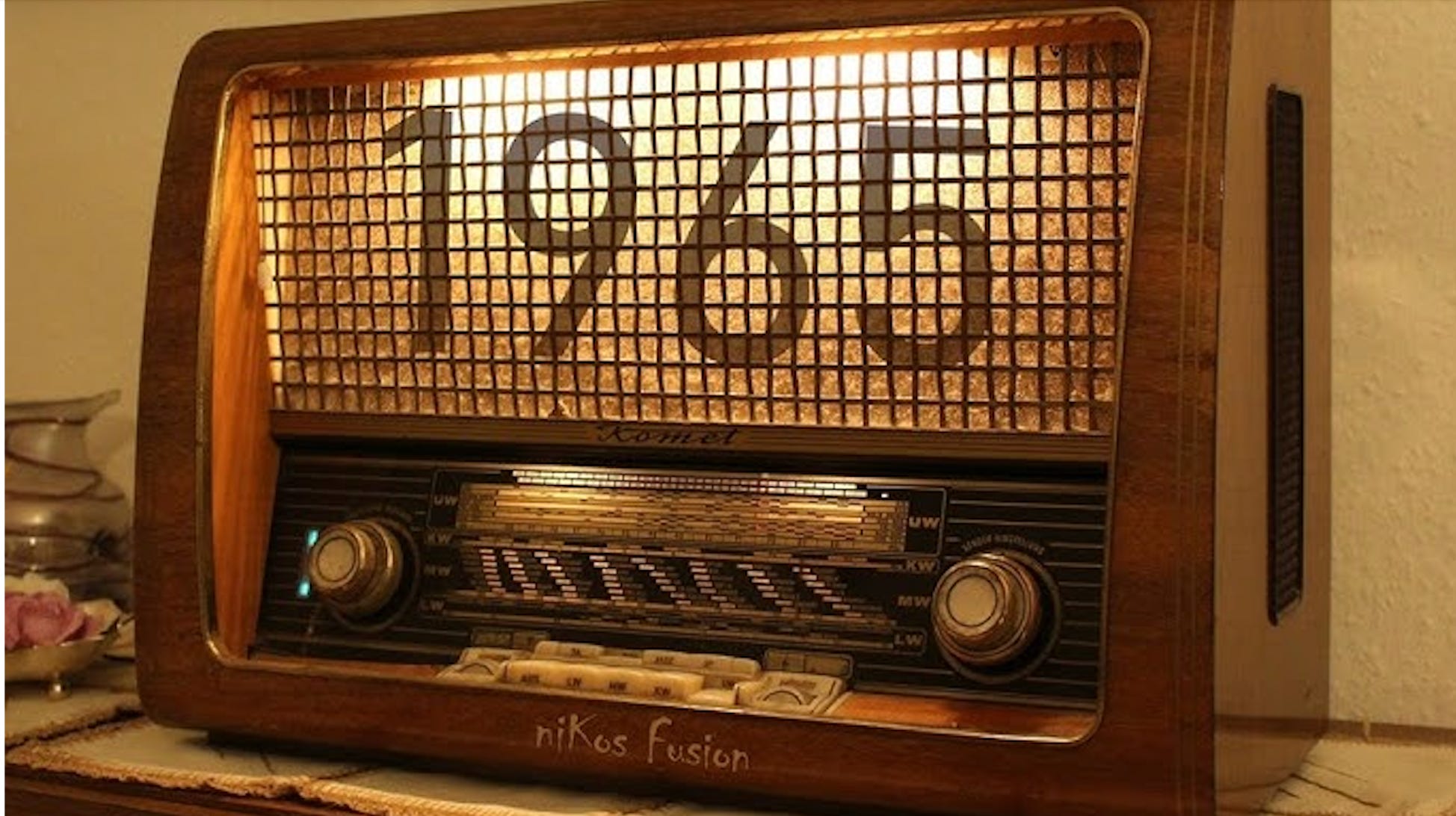
Seventeen years ago, the BBC aired 1959: The Year That Changed Jazz. The documentary was a somewhat forced argument that jazz had changed dramatically with the release of four albums that year—the Dave Brubeck Quartet’s Time Out, Miles Davis’s Kind of Blue, Charles Mingus’ Ah Um and Ornette Coleman’s The Shape of Jazz to Come. While these albums were important, I’d argue that 1965 was a much bigger deal for jazz—and all popular music, for that matter.
In 1965, jazz was changing rapidly due to several significant external events. Live jazz was under pressure from television’s surging appeal with stay-at-home adults, the vitality of folk music’s socially conscious grip, and Beatlemania, which all but invented the youth culture and stimulated it. The arrival of the Beatles opened the gates in America to an influx of British folk-rock and blues-rock bands. The result was fewer domestic touring and recording opportunities for jazz musicians on both coasts as labels shifted their focus and budgets to AM-oriented pop-rock.
During the British Invasion and rise of Motown and Stax, the economic squeeze forced many top white and black jazz artists who could sight-read to relocate to Los Angeles where there was plenty of work recording for advertising agencies and TV shows and movies. Those jazz musicians who remained touring and recording focused their music on standing out through originality, political messaging and attempted hybrids with rock and soul.
In 1965 alone, an extraordinary number of exceptional jazz albums were recorded and released—not just four. In effect, 1965 was a banner year when jazz shifted to a much more individualistic expression, as musicians were given greater leeway by labels to do their own thing. Much of it was modal, abstract and exciting.
That year saw the release of Herbie Hancock’s Maiden Voyage, a deeply poetic modal quintet album; Horace Silver’s Song for My Father, a jazz-funk masterpiece; John Coltrane’s A Love Supreme, arguably his most significant recording; and Miles Davis’s E.S.P., the first studio LP by his second great quintet.
Jazz also saw the release of Art Blakey and the Jazz Messengers’ Free for All, with two originals by Wayne Shorter, one by Freddie Hubbard and another by Clare Fischer; Bobby Hutcherson’s Dialogue, his first leadership album; and Grant Green’s Idle Moments, one of the guitarist’s best recordings.
In rock, Bob Dylan’s Highway 61 Revisited, with Like a Rolling Stone, was issued, and so were the Beatles’ Help! and transformative Rubber Soul; the Who’s My Generation; the Rolling Stones’ Out of Our Heads, featuring early signs of a brilliant songwriting career by Keith Richards and Mick Jagger with The Last Time and (I Can’t Get No) Satisfaction; and the Byrds’ Mr. Tambourine Man and Turn Turn Turn, which launched the California folk-rock movement.
In addition, Paul Butterfield Blues Band was a blues-rock milestone; the Beach Boys’ Summer Days (and Summer Nights) promoted the virtues of Southern California’s beaches as a teenage Shargri-La; the Lovin’ Spoonful’s Do You Believe in Magic was their first album and in some ways established the sunshine pop genre, with John Sebastian’s gentle love songs casting the group as the East Coast Beach Boys; Here Are the Sonics launched serious garage rock; and Introducing the Beau Brummels proved that the U.S. group’s debut album, produced by Sly Stone with 12 original songs, could Americanize the new British sound.
In soul in 1965, Motown shifted into high gear. Chart-topping LPs included More Hits by the Supremes, The Temptations Sing Smokey, and Four Tops Second Album. These LPs produced six #1 singles and ignited Motown’s massive success. Also hot were Ramsey Lewis’s The In Crowd; Otis Redding’s Otis Blue, The Righteous Brothers’ You’ve Lost That Lovin’ Feeling; Martha & The Vandellas’ Dance Party; Smokey Robinson & the Miracles’ Going to a Go-Go; The Impressions’ People Get Ready; and James Brown and the Famous Flames’ Papa’s Got a Brand New Bag, to name just a handful.
So, 1965 clearly was a breathtaking year for jazz as well as rock and soul, dwarfing 1959 or any other year for that matter. For the first time, jazz, rock and soul were going off in original directions with mass-market success, making it possible for anyone with a radio and few bucks for vinyl to enjoy them all.
A shame this world of inclusive, upbeat and intellectual music no longer exists. I can tell you that the music of 1965 was electrifying to listen to on AM radio and in record stores and it was exciting for any kid to be in the middle of that year’s cultural lurch forward. You had no clue what your favorite artists would release next but you couldn’t wait to find out.
Let’s listen to a handful of important jazz albums from 1965:
Here’s Herbie Hancock’s title track from Maiden Voyage…
Here’s Bobby Hutcherson’s Jasper from Dialogue…
Here’s Grant Green’s Jean de Fleur from Idle Moments…
Here’s the title track, by Wayne Shorter, for Miles Davis’s E.S.P….
Here’s Andrew Hill’s Refuge from Point of Departure…
And here’s Art Blakey and the Jazz Messengers playing Clare Fischer’s Pensativa from Free for All…
Comparing the four pillars of 1959 to the sheer landslide of 1965 is a great reality check. When you realize A Love Supreme, Rubber Soul, and Otis Blue were all fighting for the same shelf space, the argument for '65 being the bigger cultural lurch forward feels undeniable.
Your point about the variety of music found on AM radio during that time is significant. Sinatra likely would not have recorded “It Was a Very Good Year” had he not heard the Kingston Trio on his car radio. The closest I came to that was when I lived in San Francisco in 1985. There was still an AM station (can’t recall the call letters) that had that format. I can remember hearing Kenny Ball’s “Midnight in Moscow”, Coltrane’s “My Favorite Things”, and The Association’s “Windy” in the same quarter hour. I thought it was fabulous! I also remember the last commercial jazz station, KJZZ, was still on the air. They were in the last throes, and soliciting donations. They soon thereafter went silent. Television at that time also reflected variety, and it soon disappeared. Carol Burnett alone soldiered on into the ‘70s. I have always felt that variety was the spice of life, and culture suffers when things become homogeneous.